
Paint Protection Film (PPF) vs. Window Tint: Do You Need Both?
When upgrading your vehicle’s protection, two of the most common options are paint protection film (PPF) and window tint. Many drivers assume they serve the same purpose, but in reality, they protect completely different parts of your vehicle.
Understanding how each works—and whether you need both—is especially important for drivers in sunny, high-exposure regions like San Diego, where UV rays, heat, and road conditions can quickly affect a vehicle’s appearance and comfort.
What Is Paint Protection Film (PPF)?
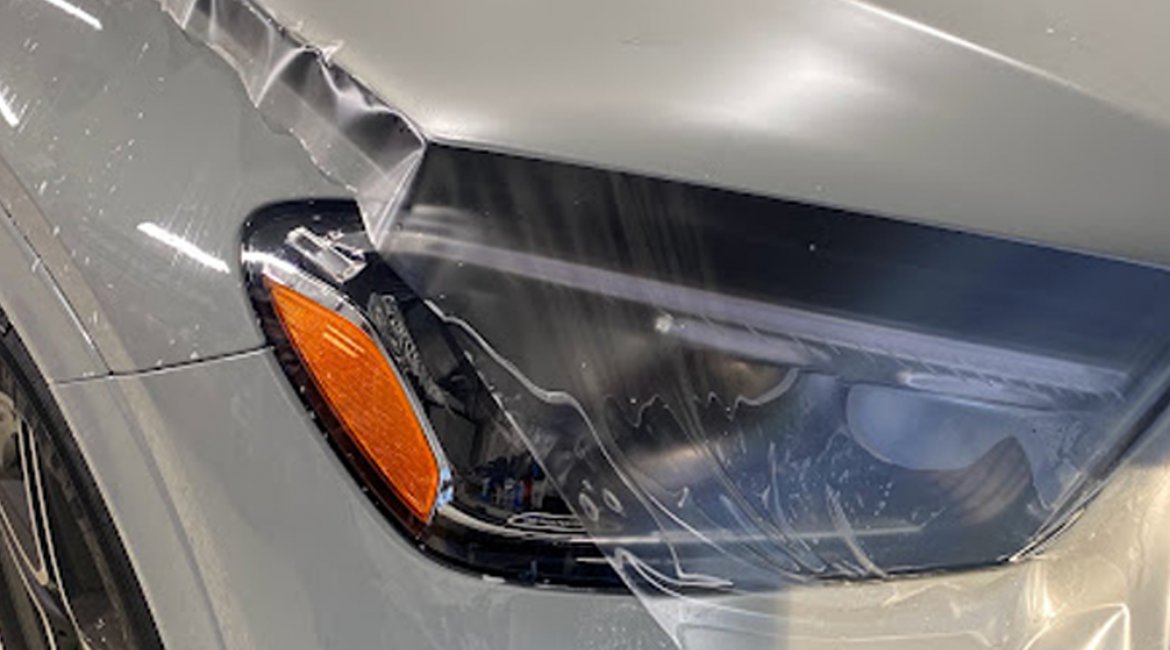
Paint protection film (PPF) is a transparent, durable urethane layer applied to a vehicle’s exterior paint surfaces.
Its primary purpose is to protect against physical damage such as:
- Rock chips and road debris
- Scratches and swirl marks
- Bug splatter and chemical stains
- Light abrasions from washing
PPF acts like a self-healing shield for your car’s paint, helping preserve its factory finish over time.
What Is Window Tint?
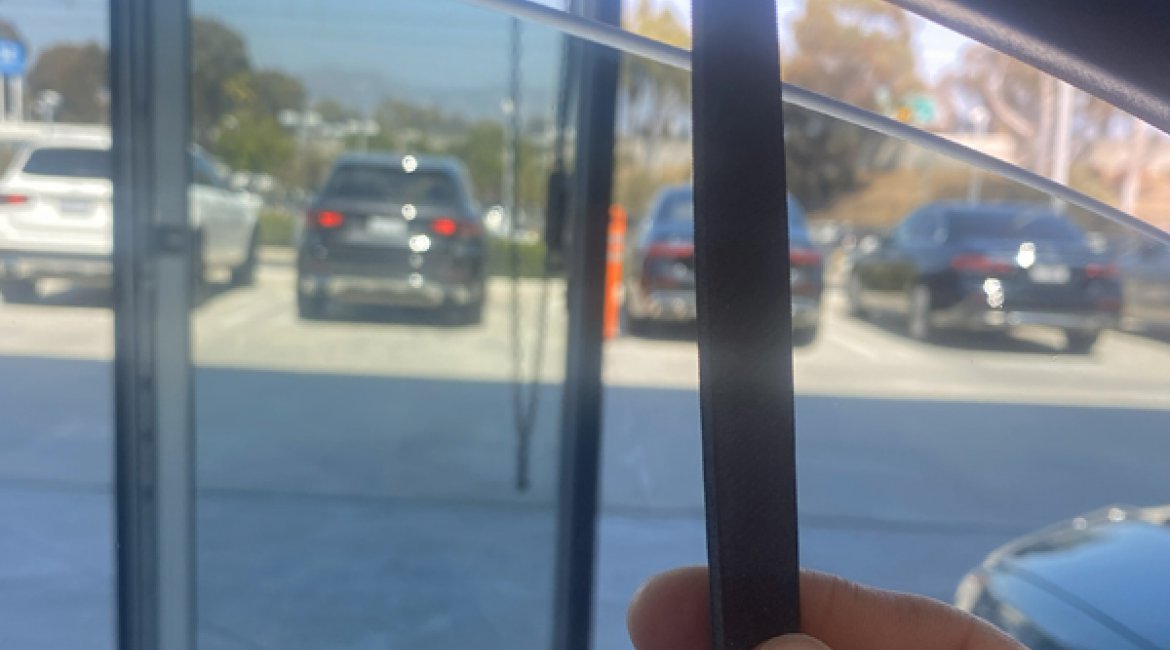
Window tint is a thin film applied to vehicle glass to reduce sunlight penetration.
Unlike PPF, window tint focuses on interior protection and comfort by targeting solar energy entering the cabin.
Window tint helps:
- Reduce interior heat
- Block harmful UV rays
- Reduce glare while driving
- Improve privacy and security
- Protect interior materials from fading
Modern premium options like ceramic IR tint also significantly improve heat rejection without requiring very dark shades.
Key Difference: Exterior vs Interior Protection
The biggest difference between PPF and window tint is what they protect.
| Feature | Paint Protection Film (PPF) | Window Tint |
|---|---|---|
| Primary Purpose | Protect exterior paint | Protect interior & reduce heat |
| Application Area | Car body (hood, bumper, panels) | Vehicle glass |
| Heat Reduction | None | High (especially ceramic tint) |
| Impact Protection | High | None |
| UV Protection | Moderate | Excellent (up to 99%) |
In simple terms: PPF protects the outside of your car, while window tint protects the inside.
How PPF Protects Your Vehicle
Paint protection film is designed to absorb and disperse physical impact.
On highways and city roads, your vehicle is constantly exposed to:
- Small stones kicked up by tires
- Sand and road debris
- Minor parking lot scratches
- Environmental contaminants
Without protection, these elements can gradually damage your paint finish.
PPF helps maintain a clean, glossy exterior and preserves resale value over time.
How Window Tint Protects Your Vehicle
Window tint focuses on solar energy control rather than physical impact protection.
In sunny climates like San Diego, untreated glass allows large amounts of infrared heat and UV radiation to enter the cabin.
High-quality tint reduces this exposure by:
- Blocking infrared heat
- Reducing UV radiation exposure
- Lowering cabin temperatures
- Preventing interior fading and cracking
This makes driving more comfortable while helping preserve your vehicle’s interior materials.
Do You Need Both PPF and Window Tint?
In many cases, yes—PPF and window tint are complementary upgrades, not competing ones.
They protect different areas of your vehicle and solve different problems.
For example:
- PPF protects your paint from scratches and chips
- Window tint protects your interior from heat and UV damage
Together, they provide full-spectrum protection for both exterior and interior surfaces.
Why Both Matter in San Diego
San Diego drivers face a unique combination of environmental stressors:
- Strong UV exposure year-round
- Coastal road debris and sand
- High temperatures during summer months
- Frequent outdoor parking conditions
This makes both paint and interior protection especially valuable.
PPF helps preserve the vehicle’s exterior appearance, while window tint improves comfort and protects interior materials from sun damage.
Best Window Tint for Maximum Interior Protection
If your goal is heat and UV protection, ceramic-based window tint is the most effective option.
It offers:
- Superior infrared heat rejection
- Up to 99% UV protection
- Reduced glare and eye strain
- Improved cabin comfort
When combined with PPF, it creates a complete protection system for your vehicle.
Cost Considerations
PPF is typically more expensive than window tint because it involves thicker, self-healing materials designed for impact resistance.
Window tint is generally more affordable but provides essential comfort and UV protection benefits.
Many vehicle owners choose to prioritize both over time, starting with tint for immediate comfort and adding PPF for long-term exterior protection.
Which Should You Install First?
If you’re deciding where to start, consider your priorities:
- Choose window tint first if you want immediate comfort, heat reduction, and UV protection.
- Choose PPF first if you frequently drive on highways or want to protect a new paint job immediately.
Most drivers eventually install both for complete protection.
Final Thoughts
Paint protection film and window tint are not competing upgrades—they are complementary solutions that protect different parts of your vehicle.
PPF shields your exterior paint from physical damage, while window tint improves interior comfort, reduces heat, and blocks harmful UV rays.
For drivers in sunny regions like San Diego, combining both provides the most complete protection strategy available, helping preserve both the look and comfort of your vehicle for years to come.



