
How to Protect Your New Car’s Paint from San Diego Road Debris
Buying a new car is exciting—but in San Diego, keeping that factory-fresh paint perfect can be a real challenge. Between freeway driving, coastal winds, construction zones, and everyday road debris, your vehicle’s exterior is constantly exposed to potential damage.
Even a short drive on highways like I-5 or I-805 can expose your car to small rocks, sand, and debris that may cause chips and scratches over time.
The good news is that with the right protection strategy, you can keep your new car looking brand-new for years. From modern paint protection films to simple driving habits, here’s how to protect your new car’s paint from San Diego road debris.
Why San Diego Roads Can Be Tough on Paint
San Diego is known for beautiful coastal drives, but road conditions can still be harsh on vehicle paint.
Common sources of paint damage include:
- Loose gravel and highway debris
- Construction zones and road resurfacing
- Sand blown from coastal areas
- Tailgating vehicles kicking up rocks
- Parking lot scratches and door dings
Over time, these small impacts can lead to visible chips, scratches, and premature paint wear.
Step 1: Install Paint Protection Film (PPF)
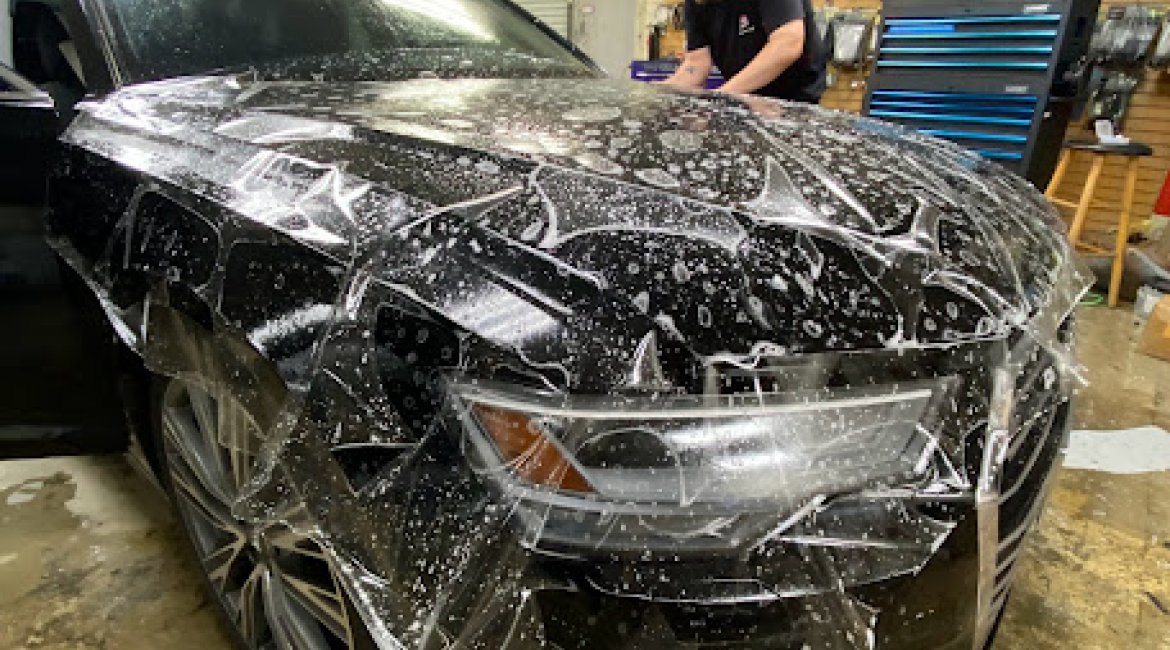
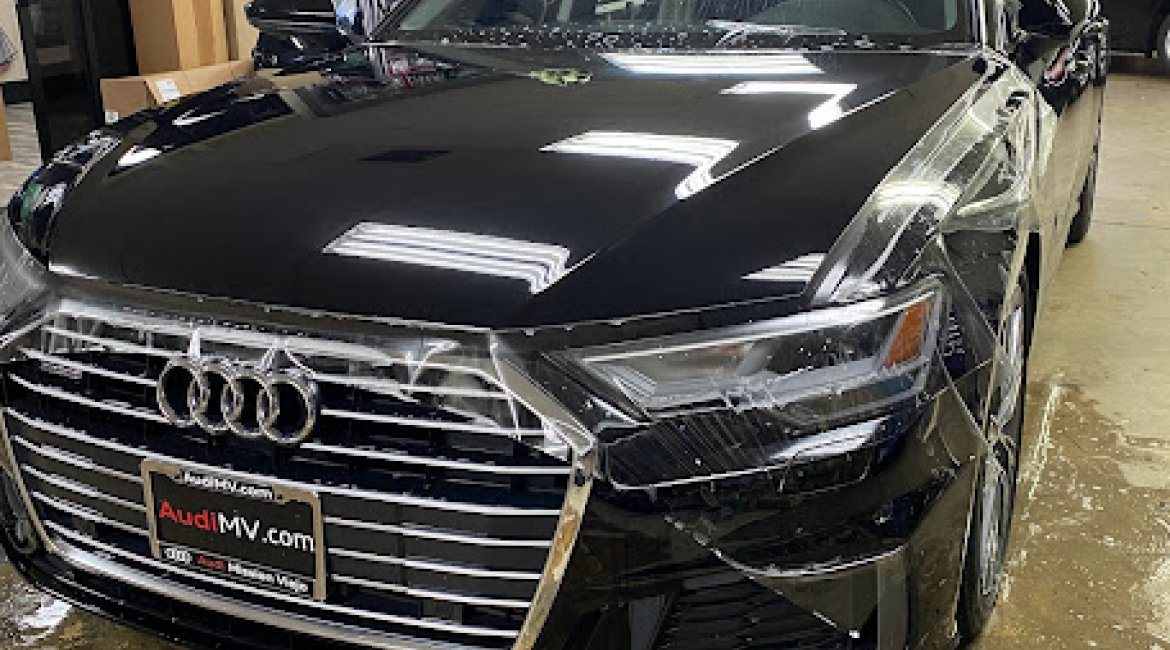
The most effective way to protect your new car’s paint is with paint protection film (PPF).
PPF is a clear, durable urethane layer applied to high-impact areas of your vehicle’s exterior.
It helps protect against:
- Rock chips on highways
- Scratches from road debris
- Bug splatter and stains
- Light abrasions and swirl marks
Modern self-healing PPF can even repair minor surface marks with heat exposure, helping maintain a clean finish over time.
For new cars, many owners choose to protect:
- Front bumper
- Hood and fenders
- Side mirrors
- Door edges
This creates a strong barrier against the most common sources of paint damage.
Step 2: Add Ceramic Coating for Extra Protection
While PPF protects against physical impact, ceramic coating enhances surface protection and appearance.
Ceramic coatings bond to your paint and create a hydrophobic layer that helps repel:
- Dirt and dust
- Water spots
- Road grime
- Light contaminants
Benefits of ceramic coating include:
- Easier washing and maintenance
- Enhanced gloss and shine
- Improved resistance to environmental contaminants
- Long-term paint preservation
When combined with PPF, ceramic coating helps keep both protected and unprotected areas cleaner and easier to maintain.
Step 3: Avoid High-Debris Driving Conditions When Possible
While you can’t avoid driving in San Diego, being mindful of road conditions can help reduce paint damage risk.
Try to avoid:
- Following large trucks too closely
- Driving behind construction vehicles
- High-speed lanes with heavy debris traffic
- Recently resurfaced roads with loose gravel
Maintaining a safe following distance is one of the simplest ways to reduce rock chip risk.
Step 4: Use Proper Washing Techniques
Improper washing can cause swirl marks and micro-scratches on your paint.
To protect your vehicle:
- Use the two-bucket wash method
- Choose microfiber wash mitts
- Avoid automatic car washes with abrasive brushes
- Dry with clean microfiber towels
Regular gentle washing helps remove abrasive contaminants before they cause long-term damage.
Step 5: Park Smart in San Diego
Where you park your vehicle has a big impact on paint protection.
Whenever possible, try to:
- Park in covered garages
- Avoid tight parking spaces
- Stay away from high-traffic parking zones
- Choose shaded areas to reduce UV exposure
Parking carefully reduces the risk of scratches, door dings, and sun-related paint fading.
Step 6: Protect High-Impact Areas First
If you’re on a budget, prioritize the areas most exposed to road debris.
These typically include:
- Front bumper (highest impact zone)
- Hood leading edge
- Side mirrors
- Lower rocker panels
Protecting these areas first provides the greatest return on investment for new car paint protection.
Why Paint Protection Matters More for New Cars
New car paint has a factory finish that is difficult and expensive to restore once damaged.
Even minor chips or scratches can:
- Reduce resale value
- Expose bare metal to corrosion
- Require costly touch-up work
- Diminish overall appearance
Preventing damage early is far more effective than repairing it later.
PPF vs Ceramic Coating: What’s the Difference?
| Feature | Paint Protection Film (PPF) | Ceramic Coating |
|---|---|---|
| Rock Chip Protection | Excellent | Minimal |
| Scratch Resistance | High | Moderate |
| Chemical Resistance | Good | Excellent |
| Hydrophobic Effect | Moderate | High |
| Durability | Long-term | Medium-term |
PPF protects against physical damage, while ceramic coating focuses on surface cleanliness and shine.
Final Thoughts
Protecting your new car’s paint in San Diego requires a combination of smart habits and modern protection technology.
Road debris, highway driving, and everyday environmental exposure can quickly damage an unprotected vehicle, but solutions like paint protection film and ceramic coating provide strong defense.
By combining PPF, proper maintenance, and careful driving habits, you can preserve your car’s factory finish and keep it looking new for years to come.



