
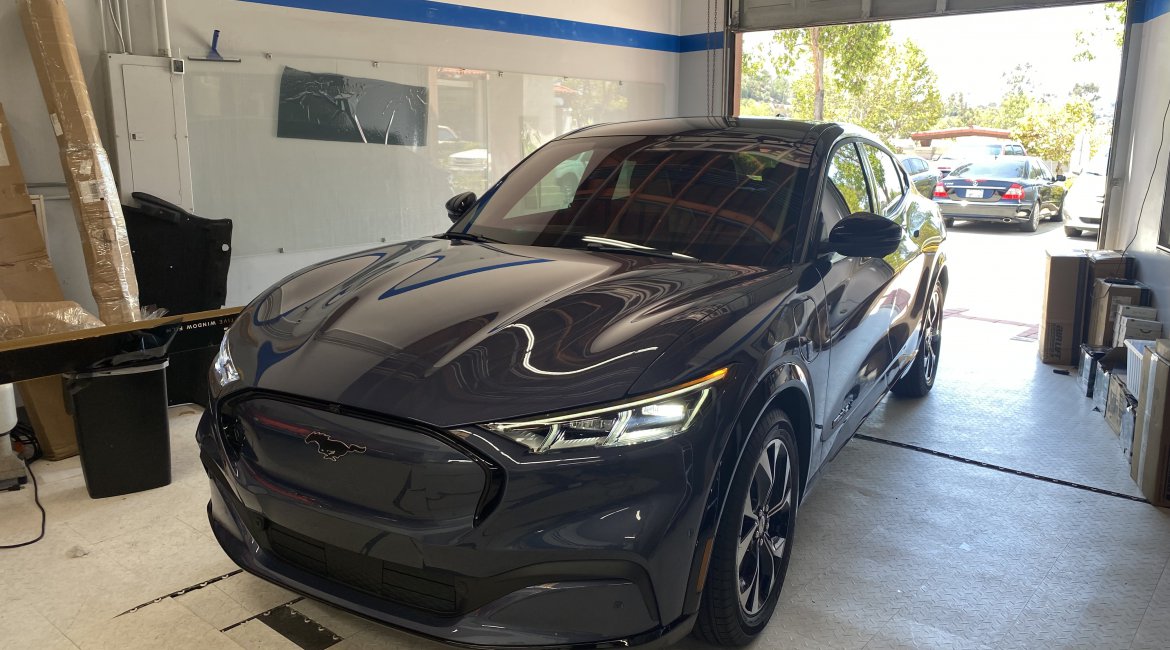
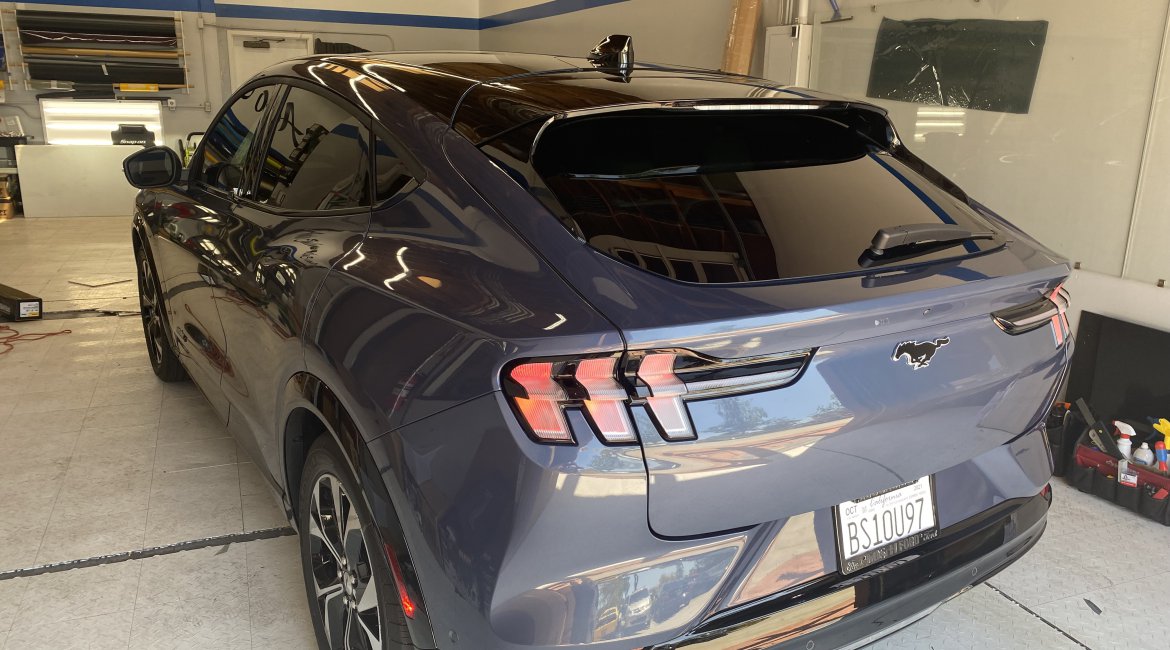
Front vs. Rear Windows: Understanding California’s Tint Regulations
California has some of the strictest window tint laws in the country, and many drivers are surprised to learn that the rules for front windows are completely different from rear windows.
If you live in San Diego and are considering window tint for your car, truck, or SUV, understanding the difference between front and rear tint regulations can help you avoid expensive tickets, failed inspections, and unnecessary tint removal costs.
In this guide, we’ll break down California’s tint laws for front and rear windows, explain why the rules are different, and help you choose a legal tint setup in 2026.
Why California Regulates Front and Rear Windows Differently
California tint laws are primarily focused on driver visibility and road safety.
The state places stricter rules on front-facing glass because law enforcement officers must be able to see drivers clearly during traffic stops. Clear visibility also helps reduce accidents caused by limited side visibility at intersections and during nighttime driving.
Rear windows, however, are considered less critical for direct driver visibility because vehicles rely heavily on side mirrors and backup cameras.
As a result, California allows much darker tint on rear windows than on front windows.
California Front Window Tint Laws in 2026
Front window regulations apply to:
- Driver-side front window
- Front passenger window
- Front windshield
California law is extremely restrictive when it comes to these windows.
Front Side Window Requirements
The front side windows must allow at least 70% of visible light to pass through the glass and tint combined. California law only permits clear, colorless, and transparent film on front side windows. :contentReference[oaicite:0]{index=0}
Because factory glass already blocks some light, adding dark aftermarket film can quickly make your vehicle illegal.
In practical terms, popular shades like:
- 50% tint
- 35% tint
- 20% tint
- 5% limo tint
are generally illegal on front side windows in California.
Windshield Tint Rules
California does not allow full windshield tint.
The only legal windshield tint is a transparent strip along the top portion of the windshield designed to reduce sun glare. California law defines the legal placement using a seat-position measurement rather than a simple “4-inch rule.” :contentReference[oaicite:1]{index=1}
Illegal windshield tint includes:
- Full windshield tint
- Dark windshield film
- Reflective windshield tint
- Colored windshield tint
Even light windshield tint may attract police attention if visibility appears reduced.
California Rear Window Tint Laws in 2026
The rules become much more flexible once you move behind the driver.
Rear tint regulations apply to:
- Rear passenger windows
- Quarter glass windows
- Rear windshield
Rear Side Windows
California allows virtually any tint darkness on rear side windows. :contentReference[oaicite:2]{index=2}
This means you can legally install:
- 35% tint
- 20% tint
- 15% tint
- 5% limo tint
This flexibility is one reason many San Diego drivers choose darker rear windows for privacy and heat reduction.
Rear Windshield Rules
The rear windshield can also be tinted as dark as you want, but there is one important condition.
Your vehicle must have functioning side mirrors on both sides. California specifically requires dual mirrors when rear glass is heavily tinted. :contentReference[oaicite:3]{index=3}
Most modern vehicles already meet this requirement.
Front vs. Rear Window Tint Comparison
| Window Area | California Tint Rules |
|---|---|
| Front Windshield | Only top visor strip allowed |
| Front Side Windows | Must allow at least 70% VLT |
| Rear Side Windows | Any darkness allowed |
| Rear Windshield | Any darkness allowed with dual mirrors |
Why Many Drivers Get Tint Tickets
The biggest mistake drivers make is assuming all windows follow the same tint rules.
Many vehicles in San Diego have legal dark rear tint but illegal front tint.
Law enforcement officers frequently issue citations for:
- Dark front side windows
- Full windshield tint
- Reflective tint film
- Reduced driver visibility
Most tint violations are issued as “fix-it tickets,” requiring drivers to remove illegal film and provide proof of correction.
Why Rear Tint Is Popular in San Diego
San Diego drivers often choose darker rear tint because of Southern California’s warm climate and intense sunlight.
Benefits of Dark Rear Window Tint
- Improved privacy
- Reduced cabin temperatures
- UV protection
- Reduced glare
- Protection for interior materials
- Enhanced vehicle appearance
Darker rear windows can significantly improve driving comfort during hot California summers.
Best Legal Tint Setup for California Drivers
If you want both comfort and legal compliance, many professional tint shops recommend a mixed tint setup.
Recommended California-Compliant Tint Setup
| Window | Recommended Tint |
|---|---|
| Front Side Windows | 70% Ceramic Tint |
| Rear Side Windows | 20% or darker |
| Rear Windshield | 20% or darker |
| Windshield | Legal visor strip only |
This setup helps drivers stay compliant while still gaining privacy and heat rejection benefits.
Ceramic Tint Makes a Big Difference
Many San Diego drivers choose ceramic tint because it provides strong heat rejection without requiring extremely dark film.
Benefits of Ceramic Window Tint
- Excellent heat reduction
- Blocks harmful UV rays
- Maintains visibility
- Does not interfere with electronics
- Long-lasting performance
This allows drivers to stay closer to California’s legal front window requirements while still improving comfort.
Common Myths About California Tint Laws
“Dark Front Tint Is Legal If It’s Ceramic”
False. Ceramic tint technology does not override VLT regulations.
“Police Only Care About Windshield Tint”
False. Front side windows are one of the most common reasons for tint citations.
“Rear Tint Is Illegal in California”
False. California allows very dark rear window tint as long as dual mirrors are installed.
What Happens If Your Tint Is Illegal?
If your vehicle has illegal tint, you may receive:
- A correctable fix-it ticket
- Fines
- Orders to remove the film
- Additional citations for repeat violations
Drivers who repeatedly ignore tint violations can face higher penalties over time.
Final Thoughts
California’s tint laws clearly separate front window regulations from rear window regulations. Front side windows and windshields face strict visibility requirements, while rear windows offer much greater flexibility.
Understanding the difference can help San Diego drivers choose a tint setup that improves comfort, privacy, and heat rejection without violating state law.
Before installing window tint, always work with a professional tint shop that understands California regulations and can accurately measure VLT percentages for your specific vehicle.



