
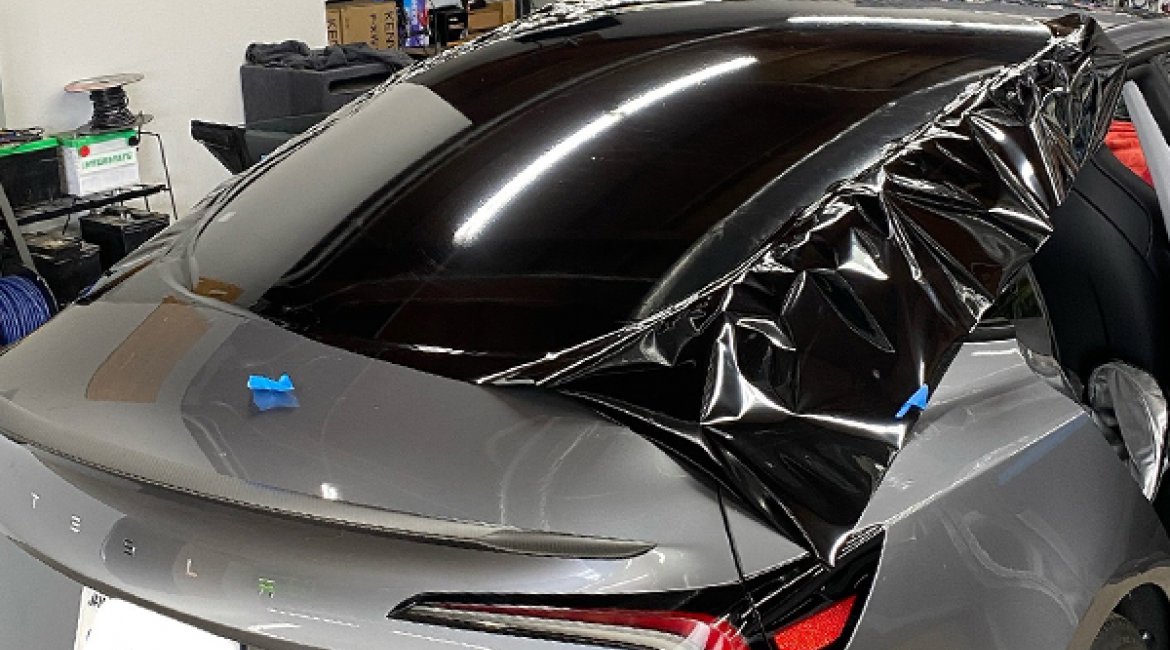
The Best Window Tinting Options for Electric Vehicles (EVs) in 2026
Electric vehicles are changing how we drive—but they’re also changing how we think about comfort, efficiency, and heat management. In sunny regions like San Diego, EV owners quickly discover that large glass roofs, panoramic windshields, and minimalist interiors can trap a significant amount of heat.
That’s why choosing the right window tint for electric vehicles in 2026 is more important than ever. The best solutions today go far beyond appearance—they directly impact cabin temperature, energy efficiency, and long-term interior protection.
Most EV owners are now upgrading to ceramic IR window tint, which uses advanced nano-ceramic technology to block infrared heat while maintaining excellent visibility and full compatibility with modern vehicle electronics.
Why Electric Vehicles Need Better Window Tint
Electric vehicles tend to heat up faster than traditional cars due to their glass-heavy design and large cabin openings.
Common EV heat challenges include:
- Large panoramic glass roofs trapping solar energy
- Expansive windshields increasing heat exposure
- Minimal interior shading materials
- Higher reliance on air conditioning systems
This combination leads to faster cabin heat buildup, especially during long parking periods in direct sunlight.
For drivers of modern :contentReference[oaicite:0]{index=0} models and other EVs, reducing heat isn’t just about comfort—it also affects energy efficiency and driving range.
What Makes Ceramic IR Tint Ideal for EVs?
Ceramic IR (infrared-rejecting) tint is designed to block the sun’s heat-producing infrared radiation rather than simply darkening the glass.
This makes it especially effective for EVs, where energy efficiency and thermal management are critical.
Key advantages include:
- High infrared heat rejection for cooler interiors
- Up to 99% UV protection for interior preservation
- Non-metallic construction with zero signal interference
- Improved clarity for large glass surfaces
- Better performance at lighter legal tint levels
Unlike traditional dyed films, ceramic IR tint delivers cooling performance without relying on extreme darkness.
How Tint Impacts EV Range and Efficiency
One of the biggest advantages of window tinting for EVs is improved energy efficiency.
Air conditioning is one of the largest contributors to battery drain in electric vehicles. When cabin temperatures are lower, the HVAC system doesn’t need to work as hard.
This leads to:
- Reduced AC usage during summer months
- Improved battery efficiency
- More stable driving range in hot climates
- Faster cabin cooldown after parking
In real-world conditions, EV owners in warm climates often notice a meaningful improvement in comfort and energy consumption after upgrading to ceramic IR tint.
Best Window Tint Types for EVs in 2026
Ceramic IR Tint (Best Overall Choice)
Ceramic IR tint is widely considered the top-tier option for electric vehicles.
It provides excellent heat rejection while maintaining clarity and full compatibility with modern EV technology systems.
This makes it the preferred choice for most EV owners in hot climates like Southern California.
Carbon Tint (Mid-Range Option)
Carbon tint offers decent heat rejection and a matte aesthetic at a lower cost.
It performs better than basic dyed films but does not match ceramic IR performance in extreme heat conditions.
Dyed Tint (Entry-Level Option)
Dyed films are primarily cosmetic and provide minimal heat rejection.
They may improve appearance but are not ideal for EV drivers focused on comfort or efficiency.
Why Ceramic Tint Works Better on EV Glass Designs
EVs often feature full glass roofs and oversized windshield designs that increase solar exposure.
Without high-performance tint, these surfaces allow significant infrared heat to enter the cabin.
Ceramic IR films help by:
- Filtering infrared radiation before it enters the cabin
- Reducing heat buildup on seats and interior surfaces
- Lowering steering wheel and dashboard temperatures
- Improving overall thermal comfort in glass-heavy cabins
This is especially important for vehicles parked outdoors for extended periods.
UV Protection and Interior Preservation
All high-quality ceramic IR films also block up to 99% of harmful UV rays.
This helps protect:
- Dashboard materials
- Leather and synthetic seating
- Interior trim and screens
- Passenger skin during long drives
Over time, this protection helps maintain interior quality and resale value.
Signal Safety for Modern EV Technology
Electric vehicles rely heavily on connected systems, including GPS, Bluetooth, cellular data, and advanced driver assistance systems.
Ceramic IR tint is non-metallic, meaning it does not interfere with:
- Navigation systems
- Keyless entry signals
- Mobile connectivity
- Autopilot or driver assistance sensors
This makes it a safe and reliable choice for modern EV platforms.
Why 2026 EV Owners Prefer Ceramic IR Tint
In 2026, EV owners are prioritizing performance-based upgrades rather than cosmetic modifications alone.
Ceramic IR tint stands out because it directly improves daily driving comfort, reduces energy consumption, and enhances interior durability.
For drivers in sunny climates like San Diego, it has become one of the most practical and high-impact upgrades available.
Final Thoughts
The best window tint for electric vehicles in 2026 is clear: ceramic IR technology leads the way.
It offers the strongest balance of heat rejection, UV protection, visibility, and electronic compatibility—making it ideal for modern EVs with large glass surfaces and high energy efficiency demands.
For EV owners who want a cooler cabin, improved range efficiency, and long-term interior protection, ceramic IR window tint is the smartest upgrade available today.



